

Home Decor in Dubai: A Practical Guide to Style and Function
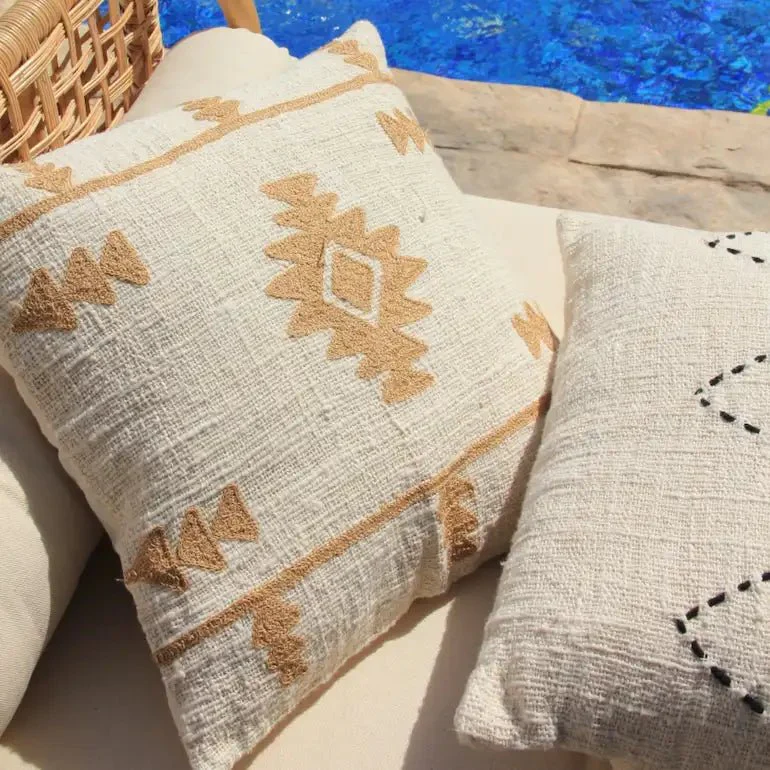
Beige Textured Throw Pillow With Tan Geometric Pattern
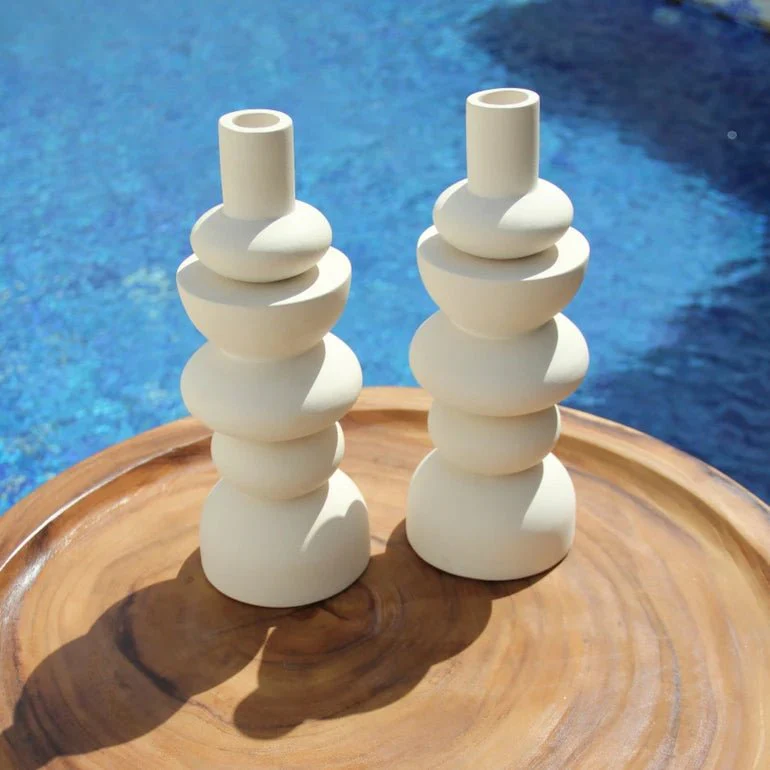
White Sculptural Ceramic Vases on Wooden Tray by Pool
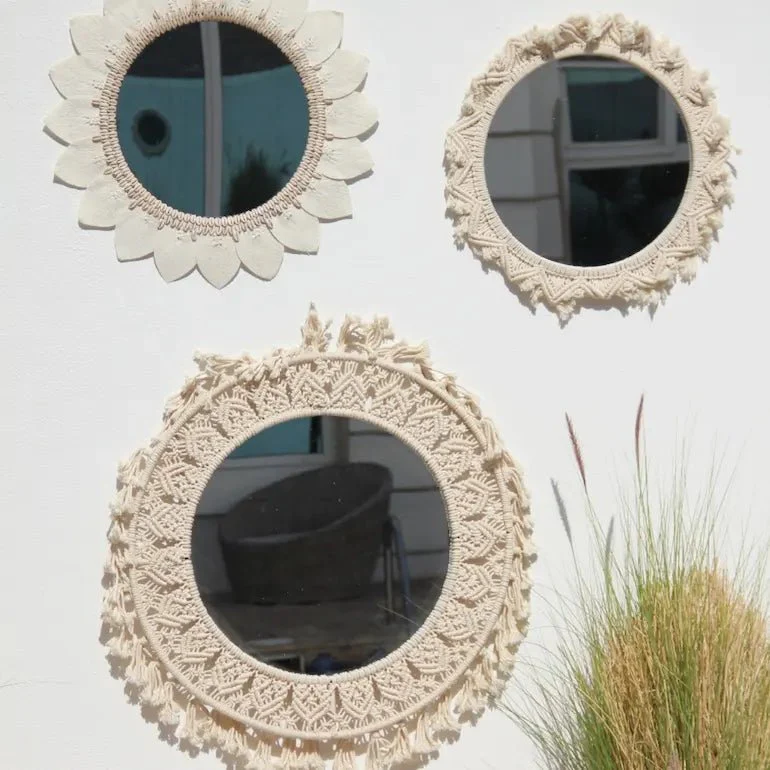
Boho Round Wall Mirrors Set: Macrame & Sunburst Designs
Your Guide to Home Decor in Dubai: Furniture, Accessories & More
DUBAI, AL MANARA, UNITED ARAB EMIRATES, February 24, 2026 /EINPresswire.com/ -- Dubai is a city where different cultures, materials, and design traditions naturally intersect. This diversity is reflected in local interiors: modern apartments with clean lines coexist with villas that feature Arabic patterns, textured fabrics, and warm neutral tones. As a result, home decor in Dubai is shaped by a mix of global trends and regional influences.Whether furnishing a new apartment or updating a single room, the market offers a wide range of options — from statement furniture pieces to small decorative accents. The key is understanding how to combine them thoughtfully rather than simply following trends.
Understanding the Local Style
Interiors in Dubai often balance light, space, and texture. Neutral palettes — sand, beige, cream, soft grey — are common foundations. These shades help reflect natural light and create a sense of openness, which is especially valuable in bright climates.
At the same time, many homes include deeper accent tones such as emerald, navy, terracotta, or muted gold. These colors typically appear in textiles, ceramics, lighting fixtures, or wall elements.
Materials also play an important role. Natural wood, rattan, linen, cotton, raffia, marble, and ceramics are frequently used. They soften modern interiors and add warmth without overwhelming the space.
Furniture as a Foundation
Before focusing on decorative elements, it is important to select practical and durable furniture. In Dubai, climate considerations matter. Breathable fabrics like linen or cotton blends often work better than heavy materials in everyday living spaces.
A large sofa is typically the visual anchor of a living room. Dining tables tend to be spacious, reflecting the importance of gathering and hospitality in the region. Beds with upholstered or wooden headboards often serve as the focal point of the bedroom.
For villas and apartments with balconies or terraces, outdoor living is common during cooler months. This makes outdoor accessories and textiles an important extension of the interior. Weather-resistant cushions, outdoor rugs, lanterns, and side tables allow exterior spaces to feel cohesive with indoor design.
Decorative Elements That Add Character
Once the main furniture pieces are in place, decorative elements help personalize the space.
Wall Features
Walls are rarely left completely empty. Art prints, mirrors, woven panels, and sculptural elements are common. A carefully curated collection of wall decor can define the mood of a room without overcrowding it. Large mirrors are particularly practical, as they reflect light and visually expand compact interiors.
Ceramics and Vases
Ceramic objects remain a staple in many Dubai homes. Neutral-toned pieces with organic shapes work well in minimalist spaces, while textured or patterned ceramics complement more eclectic interiors. A structured collection of ceramic vases displayed on shelves or consoles can create visual rhythm without feeling excessive.
Textiles
Textiles are one of the easiest ways to update a room. Cushions, throws, curtains, and rugs add softness and help control acoustics in open-plan layouts. Seasonal changes can be introduced simply by replacing pillow covers or adding a lighter rug.
When selecting textiles, natural fibers often perform best in warm climates. Cotton and linen are breathable and easy to maintain, while wool rugs add comfort during cooler months.
Shopping Options in Dubai
Dubai offers both physical stores and online platforms for home decor. Large international retailers provide predictable collections and standardized pricing. Local boutiques often focus on curated selections and unique pieces.
Online shopping has become increasingly popular. It allows buyers to compare dimensions, materials, and prices more efficiently. However, measuring spaces accurately before purchasing furniture is essential, particularly for larger items such as sofas or dining tables.
When browsing home accessories online, reviewing product specifications — including material composition and care instructions — helps avoid mismatches between expectation and reality.
Luxury vs. Practicality
Dubai’s retail landscape includes high-end designer showrooms as well as budget-friendly chains. Luxury stores typically emphasize craftsmanship, premium materials, and limited collections. These items often serve as long-term investments.
More affordable retailers make it possible to experiment with trends at lower cost. A balanced approach — combining one or two statement pieces with simpler supporting items — tends to create a cohesive yet practical interior.
Current Design Tendencies
Several interior directions are consistently visible across Dubai homes:
Natural textures such as rattan and raffia
Light wood tones paired with neutral upholstery
Layered lighting with multiple light sources
Decorative lighting including pendant lamps and lanterns
Ethnic accents integrated into modern layouts
Functional terraces styled as secondary living areas
Rather than strictly following trends, many homeowners blend global minimalism with regional character.
Lighting and Spatial Planning
Lighting is often layered instead of relying on a single overhead fixture. Ceiling lights are supported by floor lamps, table lamps, and wall sconces. This approach allows for adjustable ambiance depending on time of day.
Mirrors are frequently positioned opposite windows to maximize natural light. In smaller apartments, they also help create a sense of depth.
Furniture placement usually prioritizes openness. Heavy clustering is avoided, and walkways remain clear. This helps interiors feel lighter and more breathable.
Practical Tips for Cohesive Design
Start with a neutral base and build gradually.
Focus on proportion — large spaces can handle oversized elements, while compact rooms benefit from streamlined shapes.
Mix textures rather than patterns if you prefer a calm aesthetic.
Use statement decor sparingly to avoid visual clutter.
Coordinate interior and exterior styling when possible, especially if outdoor accessories and textiles are part of your design plan.
Final Thoughts
Home decor in Dubai reflects the city itself — diverse, layered, and influenced by multiple cultures. From a curated collection of wall decor to a carefully selected collection of ceramic vases, decorative choices shape the overall atmosphere of a home.
Rather than aiming for perfection, a well-designed space focuses on balance: functionality, durability, and personal expression. By combining quality furniture, thoughtful lighting, practical textiles, and selected decorative accents, it is possible to create interiors that feel both contemporary and comfortable without relying on excessive ornamentation.
Carol Sukkar
Home and Soul Furniture Trading LLC
+971 56 112 1444
email us here
Visit us on social media:
LinkedIn
Instagram
Facebook
X
Legal Disclaimer:
EIN Presswire provides this news content "as is" without warranty of any kind. We do not accept any responsibility or liability for the accuracy, content, images, videos, licenses, completeness, legality, or reliability of the information contained in this article. If you have any complaints or copyright issues related to this article, kindly contact the author above.
